
The kidneys are vital organs responsible for filtering waste products, excess fluids, and toxins from the blood, maintaining electrolyte balance, and producing hormones that regulate various body functions. Kidney disease, also known as renal disease, refers to conditions that affect the proper functioning of the kidneys. It can range from mild to severe and may lead to significant health complications if left untreated. In this article, we will explore the different types of kidney disease, their causes, common symptoms, diagnostic methods, and available treatments.
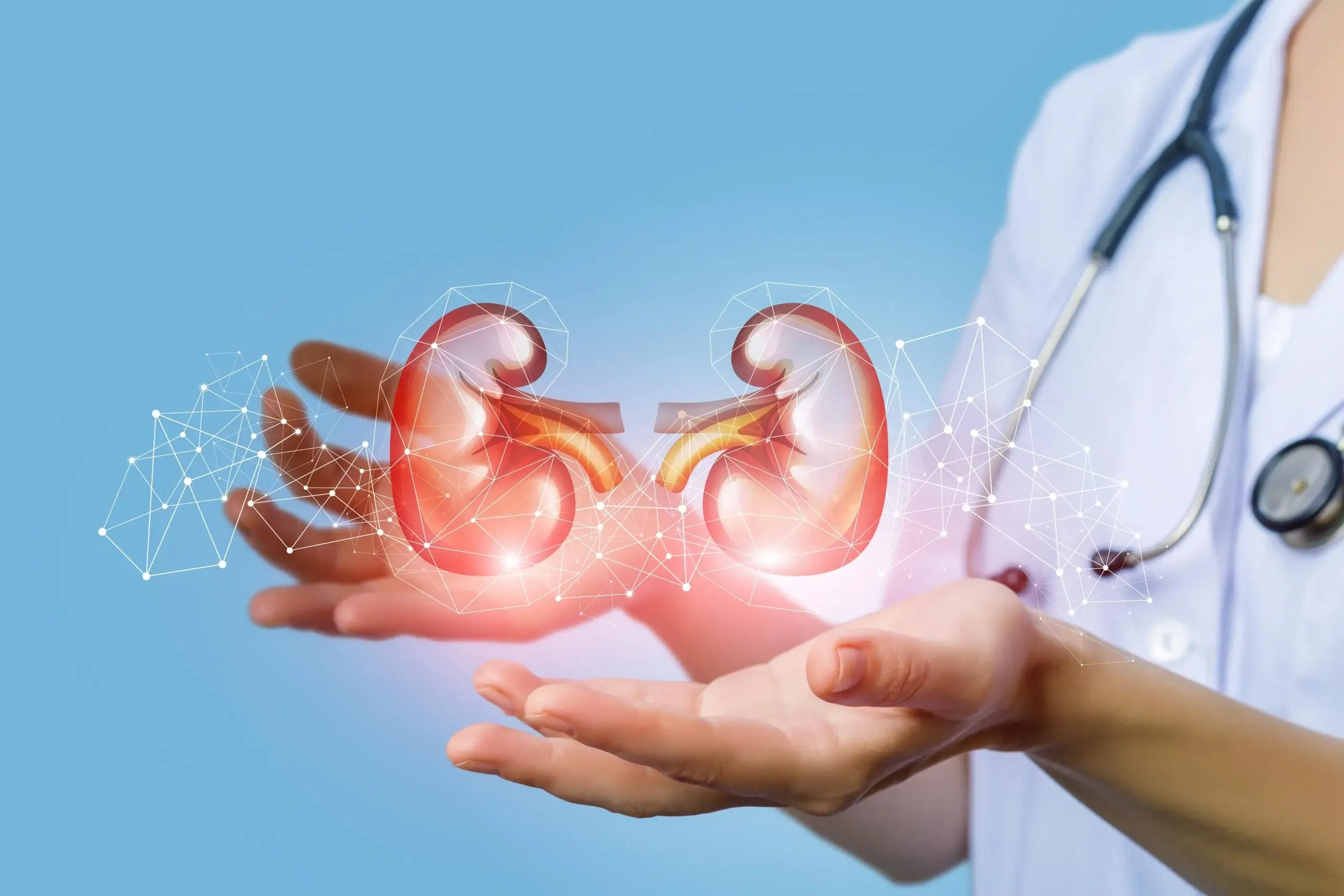
A long-term condition in which the kidneys gradually lose their function over time, leading to kidney failure if not managed appropriately.
Acute Kidney Injury (AKI):Sudden and severe damage to the kidneys, often caused by dehydration, infections, or medications.
Polycystic Kidney Disease (PKD):A genetic disorder characterized by the formation of fluid-filled cysts in the kidneys, potentially leading to kidney enlargement and impaired function.
The forceful expulsion of stomach contents through the mouth.
Diarrhea:Frequent, loose, or watery bowel movements.
Nausea:A sensation of unease and discomfort in the stomach, often preceding vomiting.
Abdominal Cramps:Pain or discomfort in the abdominal area.
Dehydration:Signs of dehydration may include dry mouth, decreased urination, and feeling thirsty.
Wash hands frequently with soap and water, especially before eating and after using the restroom.
Food Safety:Ensure proper food handling, cooking, and storage to prevent foodborne illnesses.
Stay Hydrated:Drink an adequate amount of water and fluids to maintain hydration.
Avoid Triggers:Identify and avoid factors that may exacerbate symptoms, such as certain foods or environments.
Vaccinations:Some infections causing vomiting and diarrhea can be prevented with appropriate vaccinations.
Vomiting and Diarrhea are common symptoms of various gastrointestinal issues, often caused by infections, food-related issues, or other underlying conditions. In most cases, they can be managed at home with rest, hydration, and dietary adjustments. However, it is essential to seek medical attention if symptoms are severe, prolonged, or associated with concerning signs like dehydration or blood in vomit or stool. By practicing good hygiene, food safety, and staying hydrated, you can reduce the risk of experiencing these uncomfortable symptoms and prevent potential complications.